
Cross Platform App Development Services That Scale

What Is Cross Platform App Development

Cross platform app development builds one app for iOS and Android from a single codebase. The framework decides how that code reaches each platform: Flutter compiles Dart to native code and draws the interface with its own rendering engine, React Native maps JavaScript components to native UI, and Kotlin Multiplatform shares business logic while each platform keeps its native screens. Shared code covers the logic and most of the interface; platform channels and native modules cover hardware, background work, and OS-specific features. The payoff is one team, one roadmap, and one release cycle. The trade-off is a dependency on the framework’s release cadence. Intobi picks the framework for the product first, then engineers around it.
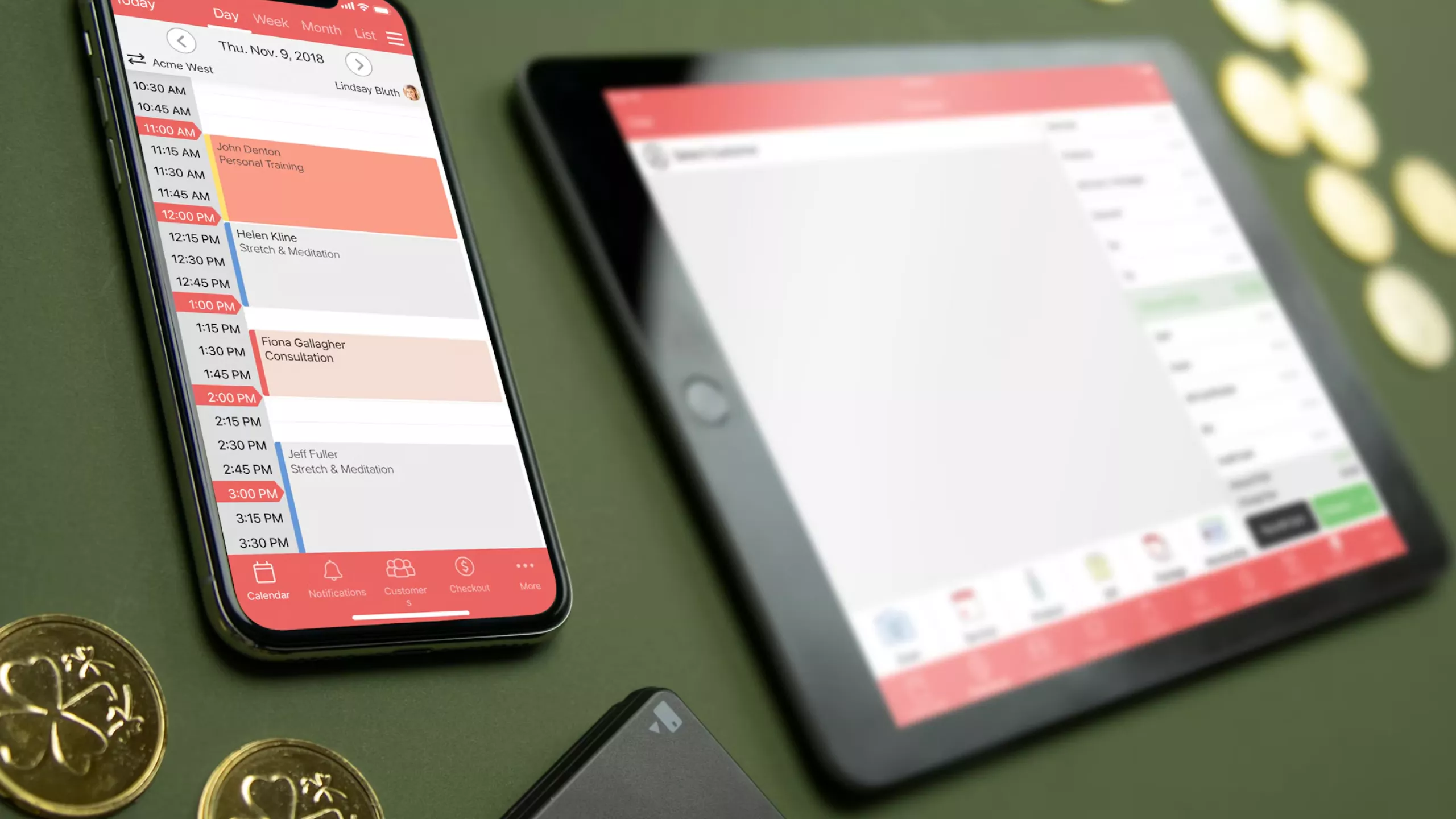
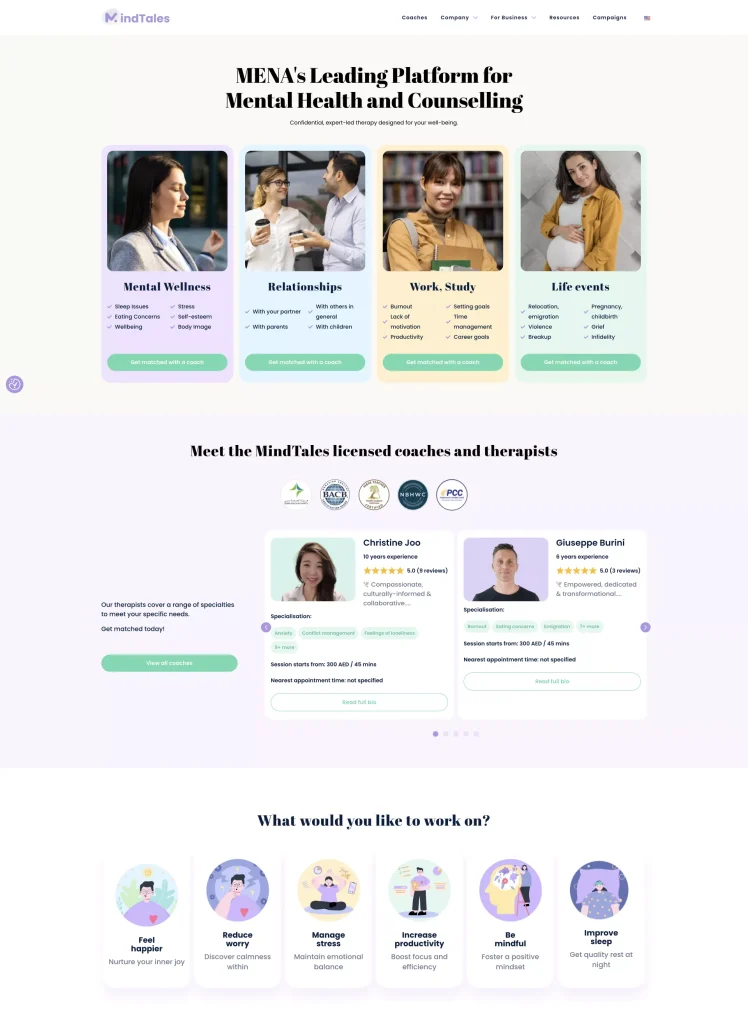
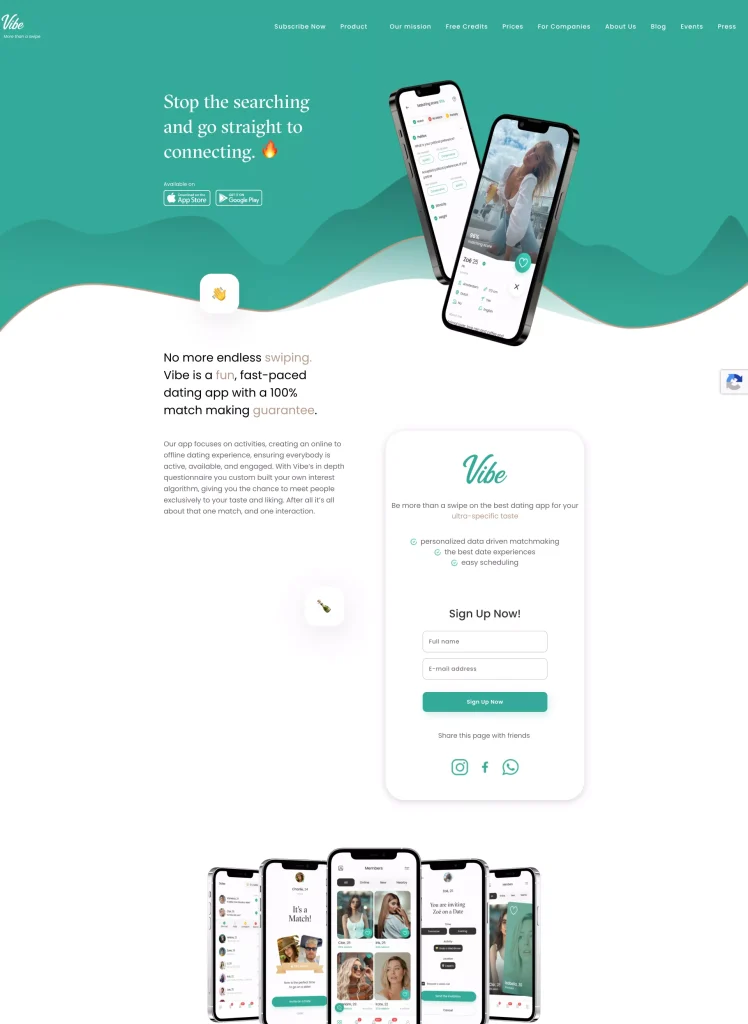
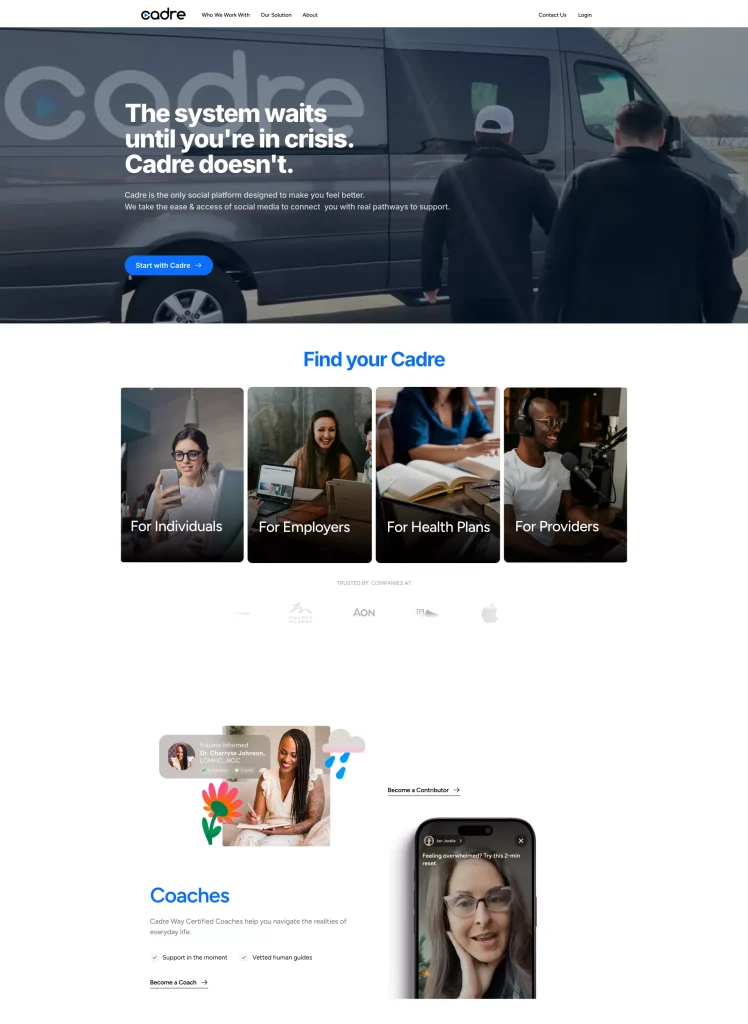
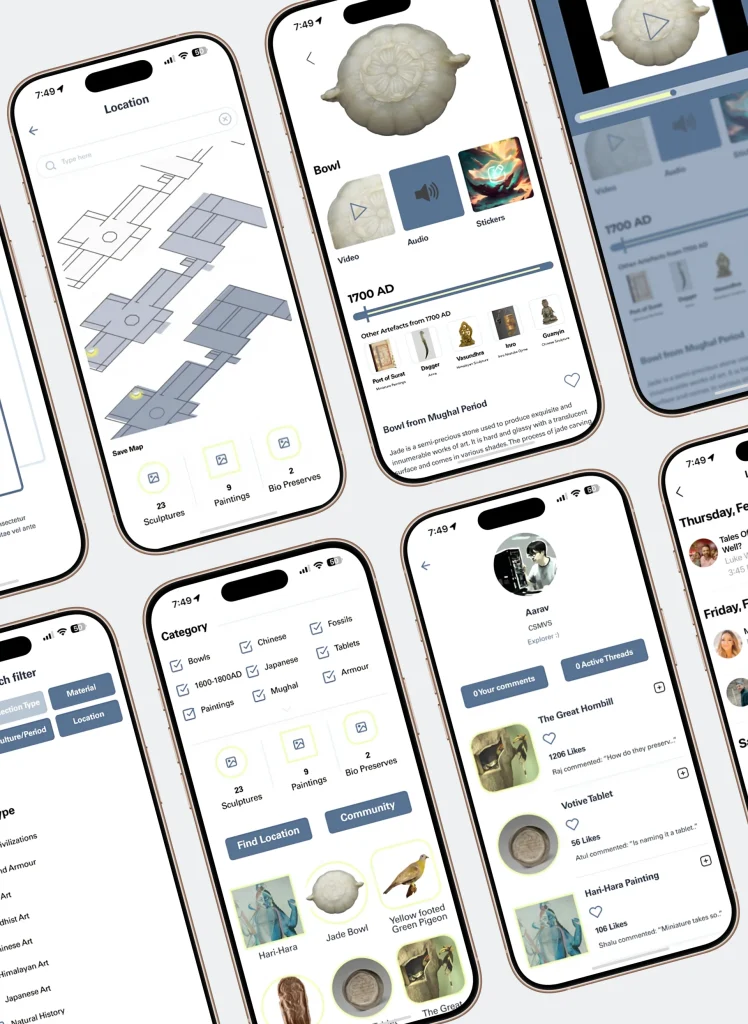
Cross platform app running on iPhone and Android phone side by side

Native vs Cross Platform: Which Fits Your App

Cross-Platform Apps Native Apps When to Choose Which
Codebase Shared code for both platforms, so features and fixes ship together. Separate codebase per platform, each built and maintained on its own. Go cross-platform when both apps should behave the same on every release.
Cost and time-to-market One team and one build track can cover both platforms, which often lowers the effort. Two build tracks add design, build, and testing effort for each platform. Cross-platform often suits an MVP or a tight budget; native suits products that depend on platform depth.
Access to device features Handles camera, GPS, and push, deep hardware work may need native modules. Full, day-one access to every OS API, sensor, and platform update. For heavy graphics or hardware, choose native iOS and Android development.

Our Cross Platform Mobile App Development Services

Icon of a new cross-platform mobile app being built from scratch
Custom app builds from scratch
We take your product from concept to store-ready app. Shared business logic and interface code mean both platforms launch with the same features, look, and behavior.
Icon representing mobile app UI/UX design for cross-platform products
Mobile app UI/UX design
Our designers map user flows and craft interfaces that feel natural on each platform and consistent across your product. Explore our mobile app design services.
Icon symbolizing MVP development for launching a new mobile product
MVP builds for new products
Validate your idea with a lean first release that reaches users on both platforms at once, then iterate on real feedback. See our MVP development services.
Icon of a consultant reviewing an app roadmap and framework options
Development consulting
Native or cross platform, we review your product, team, and constraints, then recommend a framework and delivery plan before you commit budget. If native wins, we say so.
Icon of a smartphone connected to a server, payment card, and API nodes
Backend, APIs, and integrations
Most apps need more than screens: user accounts, payments, push notifications, analytics, and APIs to your existing systems. We build and connect them, so the app ships as a working product.
Icon representing ongoing post-launch maintenance and support for mobile apps
Post-launch maintenance and support
As your long-term cross platform app development services provider, we handle OS updates, bug fixes, performance tuning, and new features so your app stays stable as your user base grows.

Our Cross Platform App Development Process

Step 1

Discovery and scope

We map your users, core features, integrations, and business goals, then turn them into a prioritized product scope.

Step 2

Framework selection

We match the framework to your feature set, device access needs, and team skills, and explain every trade-off.

Step 3

UI/UX design

Designers build flows and prototypes that feel at home on both platforms, validated with you before code begins.

Step 4

Development

Engineers build on the shared codebase in short sprints, adding native modules only where hardware access demands it.

Step 5

Cross-device testing

QA tests every build on real devices, screen sizes, and OS versions to catch layout, speed, and platform-specific bugs.

Step 6

Release and support

We handle App Store and Google Play submission and launch, then monitor stability, fix issues, and ship updates as your roadmap grows.

Flutter, React Native, or Kotlin Multiplatform

Icon representing Flutter for custom, brand-led cross-platform app interfaces Flutter for custom, brand-led interfaces
Pick Flutter when the interface is the product: custom, animation-rich screens that stay pixel-consistent across devices. See our Flutter app development services.
Icon representing React Native for teams sharing React skills across apps React Native for teams already using React
React Native fits when your web team already works in React, or you want to share logic with a web product. It renders platform UI components, so the app feels familiar on each OS. Explore React Native development services.
Icon representing Kotlin Multiplatform shared logic with fully native app screens Kotlin Multiplatform for shared logic
Choose Kotlin Multiplatform when you want shared business logic behind fully native screens, or already run a Kotlin Android app. Learn about our Kotlin Multiplatform development services.

Turn Your Idea Into an App

Book a Consultation
Why Teams Choose Intobi for Cross-Platform Apps

Calendar icon marking years of cross platform app development experience
Shipping software since 2017
Shipping software for clients worldwide since 2017 makes us a cross-platform app development services provider with years of real releases behind us.
Stacked project folders icon representing completed app development projects
100+ completed projects
100+ completed projects, 24 case studies: a track record you can review before choosing a cross platform app development company for your product.
Award ribbon icon symbolizing Clutch recognition for software development
Rated by clients on Clutch and Google
Intobi is rated 4.9 on Clutch and 4.6 on Google by clients who have shipped products with us, and every review is independently verified.
Growing business icon representing a dedicated team for growing companies
US company, dedicated team in Kyiv
Intobi is a US company with a strong Ukrainian engineering team and an office in Kyiv. You get a dedicated team of senior specialists that stays with the app from discovery to release.
Speech bubbles icon showing responsive communication with app development clients
Clear, responsive communication
Every new inquiry gets a reply within one business day, and one dedicated team stays with you from discovery to release.

Key Drivers of Cross Platform App Cost

Every quote for cross platform mobile app development services comes down to a few variables. The biggest is feature scope: every screen, user role, and workflow adds design, build, and testing effort, so a lean first release keeps the budget on the features your users need most.

Next come the parts that sit outside the shared code. Hardware sensors and OS-level services often require native modules, and each one adds platform-specific build and testing effort. Backend work counts too. Payments, authentication, analytics, APIs, and admin panels each add integration and security work, although reusing existing backend services can reduce the overall build effort.

Design and framework choices also shape the budget. Custom animations, brand-led components, and complex screen flows take longer to design and polish than standard layouts, so clear design priorities keep that spend in check. Frameworks differ in how much code they share and which skills they need, and matching the framework to your product and team reduces rework and long-term cost.

Spending doesn’t stop at launch. OS updates, new devices, bug fixes, and feature iterations continue afterward, and budgeting for ongoing maintenance keeps your app stable as your user base grows. Share your scope with us, and we’ll split the estimate into phases, each with its own budget and timeline, so you can plan with confidence.

Cross-Platform App Development FAQ

Contact Us
What is cross-platform app development and how does it differ from native?
Cross-platform development ships one app from shared code to both iOS and Android. Native development builds and maintains a separate app for each platform. Modern frameworks also differ from what a hybrid app development company shipped a decade ago: instead of a web view in a native shell, they render interfaces that feel native.
When should we choose cross-platform over native development?
Choose cross-platform when you need both app stores covered from one budget and roadmap, and your features use standard device APIs. Go native when the product depends on heavy graphics, deep hardware work, or day-one OS features.
Which frameworks do you use: React Native, Flutter, or Kotlin Multiplatform?
We use all three and choose after discovery. It depends on your interface ambitions, your existing team’s skills, and how much logic you want to share with web or native code. The product decides, not our preference.
What determines the cost of cross platform app development services?
Feature scope, native integrations, design complexity, backend needs, and the support plan set the budget. Intobi pricing starts at $10,000 for an MVP, $20,000 for Standard, and $30,000 for Custom projects, and each estimate is split into phases, each with its own budget and timeline.
What affects the timeline for building a cross-platform app?
The schedule depends on feature scope, the number of screens, native modules, third-party integrations, and how fast feedback cycles run. We plan in sprints and share a release plan once scope is set. We don’t promise a fixed launch date.
How do you test across devices and OS versions?
We test each build on real devices across a range of screen sizes and the OS versions your users run. We check both platforms before every store submission. Platform-specific issues get fixed in the shared code or the native layer.
Can you build a highly customized cross-platform app with native features?
Yes. Custom interfaces live in the shared layer. Where the app needs hardware or OS features the framework doesn’t expose, we write native modules. You get custom behavior without maintaining two full apps.
Do you offer post-launch maintenance and support?
Yes. After release, we handle OS and framework updates, bug fixes, performance tuning, and new features to keep iOS and Android in step. See how our mobile app development company supports apps long-term.

Scope Cross Platform App With Us

Book a Consultation