

Custom Retail Software Development That Scales
Founded
2017
Completed projects
100+
Trusted by numerous partners





Why US Retailers Choose Built-for-Purpose Software
Custom retail software development means building systems around how your stores, catalog, and customers actually work, instead of bending operations to fit a generic tool. Packaged platforms are designed for the typical retailer; purpose-built software is designed for yours, and it scales with you. Intobi is a US company with a strong Ukrainian engineering team, and a full-cycle partner for custom software development for the retail industry across the United States.
The Operational Pains Holding Retailers Back
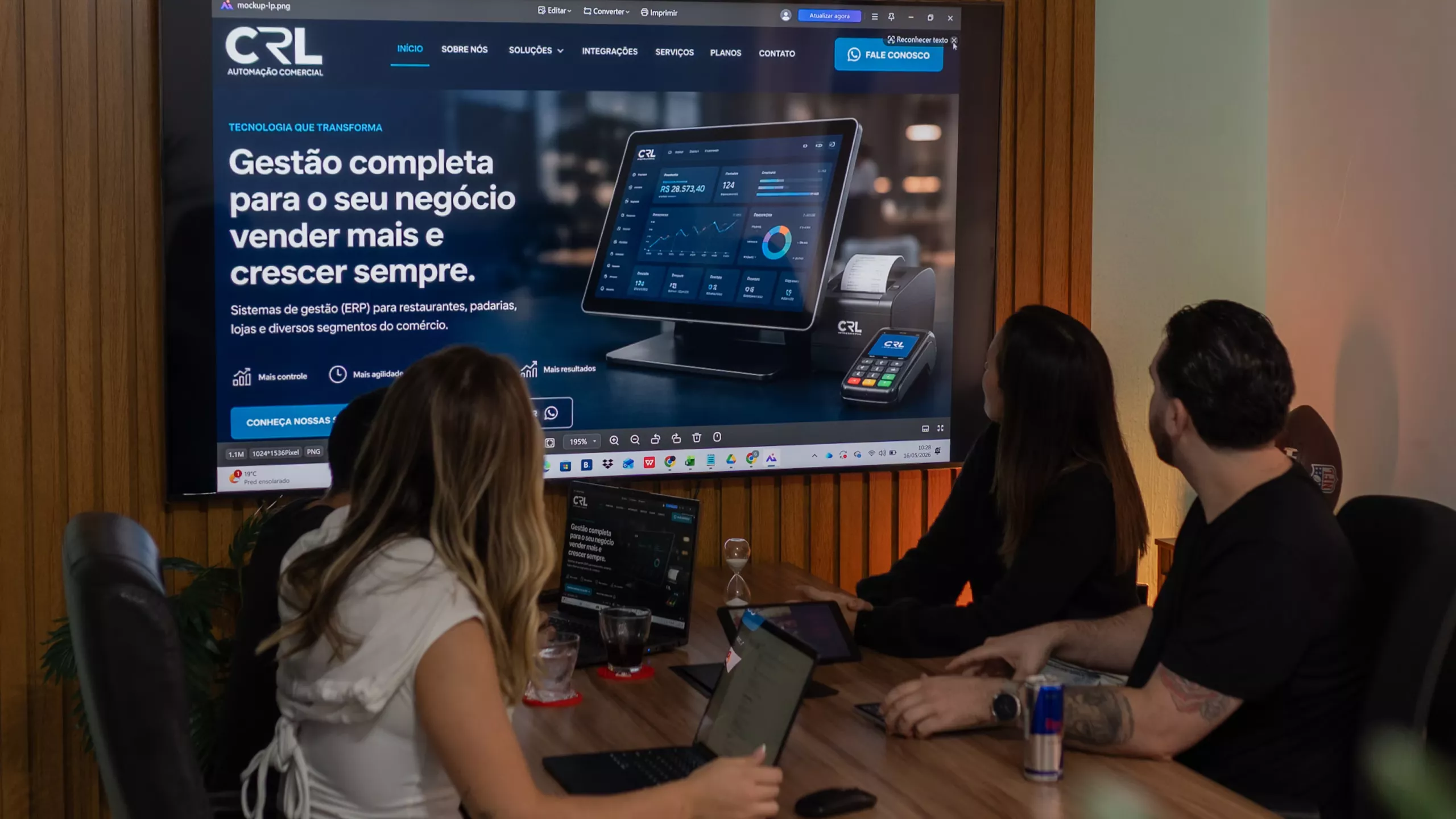
Most retailers don’t struggle with one big failure. They struggle with systems that no longer agree with each other. Your store POS, warehouse counts, and online catalog each tell a different story: stock shows as available online while the shelf is empty, and teams spend hours reconciling spreadsheets instead of acting on reliable numbers.
Off-the-shelf tools make this harder to fix. Packaged platforms force your workflows into someone else’s template, so the pricing rules, loyalty logic, and fulfillment steps that set you apart turn into workarounds, plugins, and manual exceptions that pile up every season. A shopper browses on mobile, buys in store, and returns online, yet each channel sees a different customer. Order history, loyalty points, and preferences don’t follow them, so service feels inconsistent and personalization stalls.
Behind the scenes, orders arrive from your site, marketplaces, and stores, then get re-keyed, routed, and tracked by hand. Every manual step adds delay and error risk, and holiday and sale traffic show how little of the process scales. These are the problems custom retail software is built to address.
Retail Software We Build for Your Business
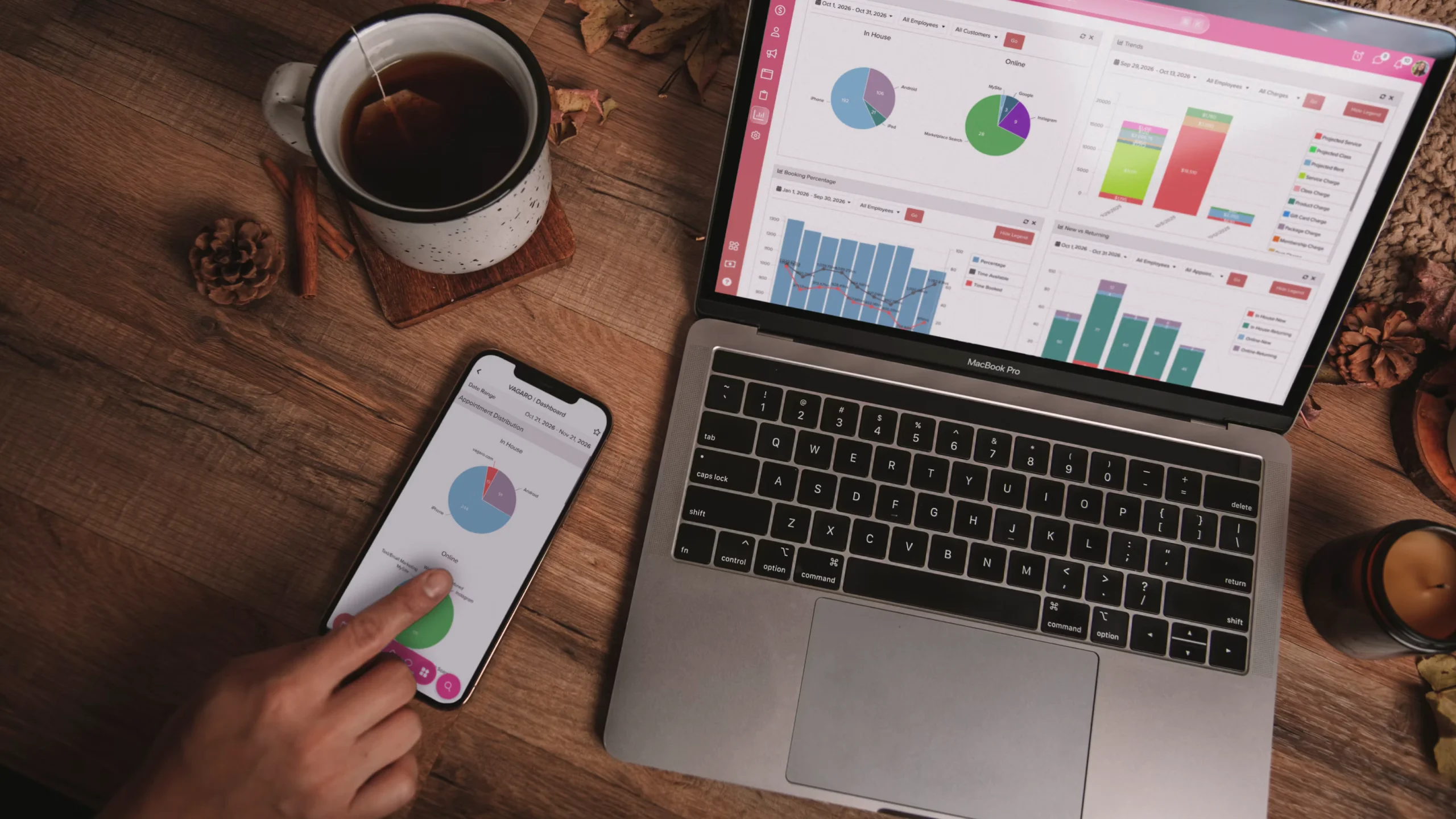
- Retail CRM: Unified customer profiles, loyalty logic, segmentation, and purchase history in one system your sales and marketing teams can act on. See our approach to Custom CRM development.
- Inventory and supply chain software: Stock tracking synced with your POS, replenishment rules, supplier management, and warehouse workflows built around how your inventory actually moves. Explore Supply chain software development.
- ERP back-office tools: Custom modules and dashboards that connect purchasing, finance, and operations to your ERP, giving managers one reliable view for planning and reporting. Read about ERP software development.
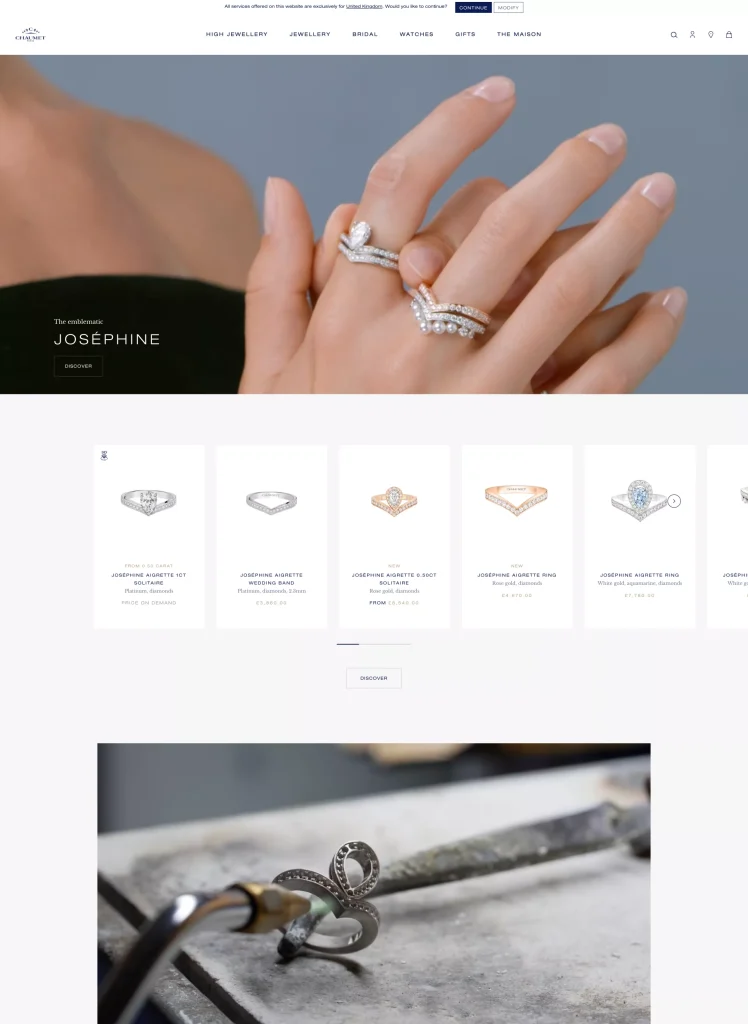
- Retail mobile apps: Customer-facing shopping apps and tools for store associates, covering catalogs, checkout, order tracking, and in-store product lookup. See our jewelry AR shopping app case study.
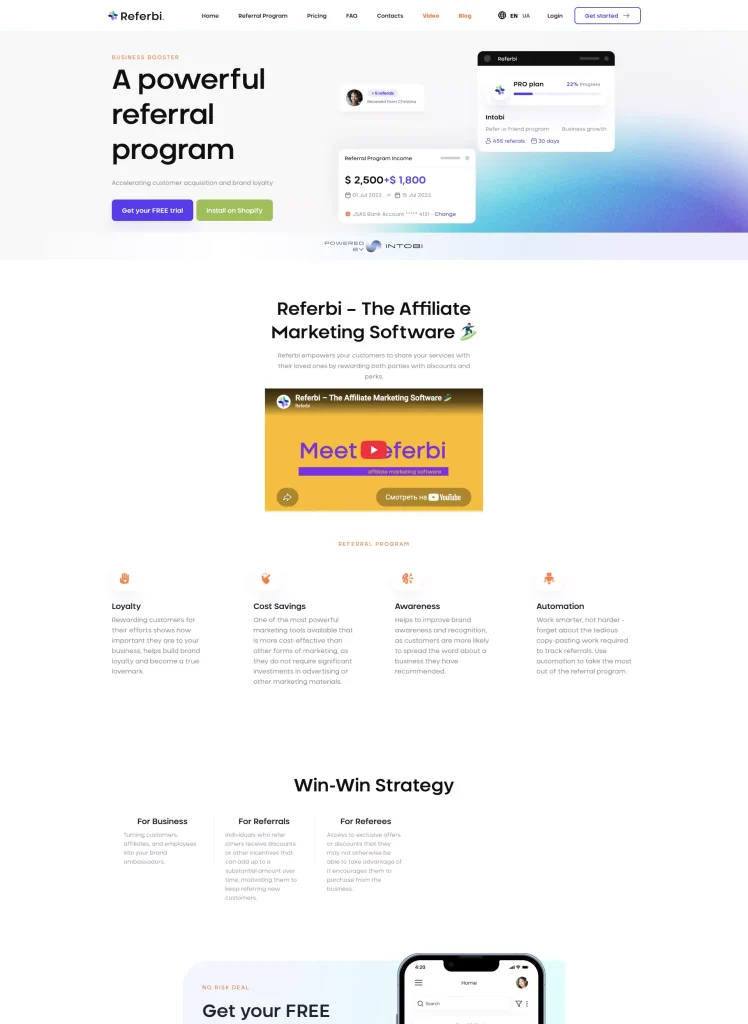
- Retail SaaS platforms: Multi-store or multi-brand platforms sold as a subscription, with billing, roles, and per-account data built in. Explore our SaaS development services.
AI & Emerging Tech in Retail
- Personalized recommendations: Purchase history, wishlists, and browsing behavior feed recommendations in your app and online store, so each shopper sees a catalog that fits them. We built this personalization into a luxury jewelry shopping app.
- AR try-on: Shoppers preview products through the phone camera before they buy, so they decide with more confidence. Our jewelry app lets customers try on pieces from the camera or an uploaded photo.
- Demand forecasting & reorder alerts: Sales history, seasonality, and supplier lead times drive reorder suggestions and low-stock alerts, so peak-season stock is planned, not guessed. We built forecasting and reorder alerts into an app for Amazon sellers.
- AI assistants for shoppers & staff: Chat assistants answer order-status and product questions for shoppers, and give store associates quick access to stock levels and return rules, all drawing on your own systems.
Retail Teams We Work With
- Brick-and-mortar retailers: Store-based SMBs running registers, stockrooms, and staff schedules across sites.
- E-commerce brands: Online-first brands outgrowing the storefront tools they launched with.
- Omnichannel retailers: Retailers serving one customer across stores, web, and marketplaces.
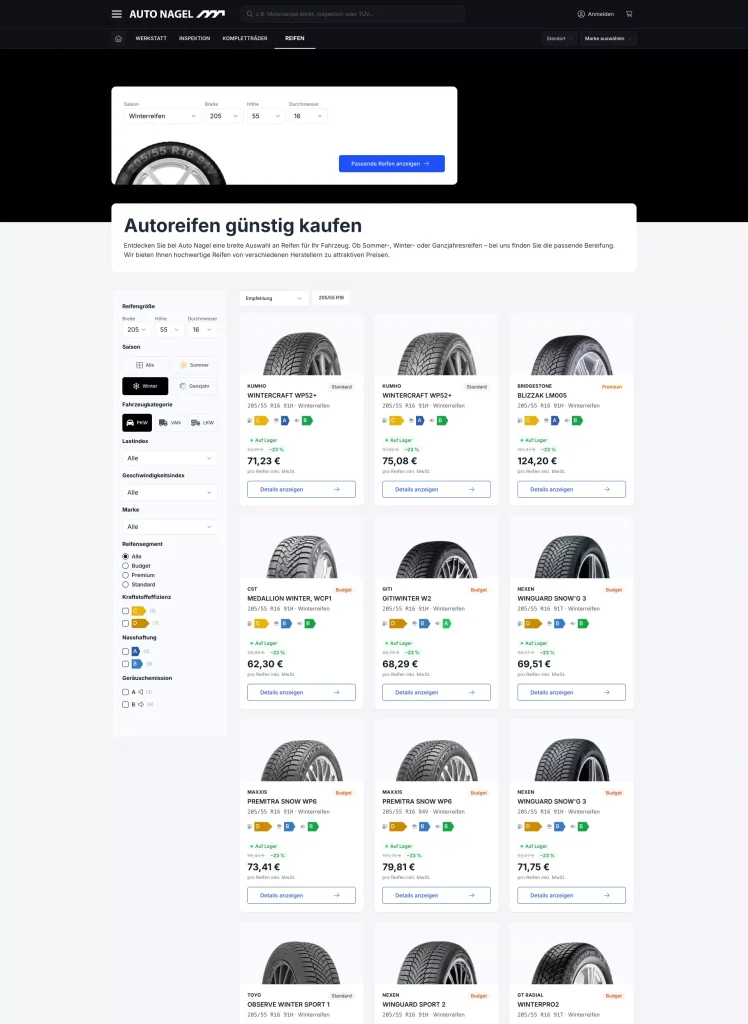
- Specialty & automotive retail: Niche and automotive sellers with complex catalogs and longer buying cycles.
Client Feedback
Retail Platforms & Systems We Integrate
Custom retail software only pays off when it works with the systems you already run. Intobi connects new builds to your POS, ERP, warehouse, payment, and e-commerce platforms, so sales, stock, and customer data move between them without manual re-keying and every team works from the same numbers.
In store, we sync sales, returns, pricing, and promotions between your POS and new tools, while custom modules exchange orders, financials, and product master data with your ERP through APIs. In the warehouse, stock levels, picks, and shipment status flow from your WMS into storefronts and dashboards, so customers see accurate availability and staff stop reconciling counts by hand.
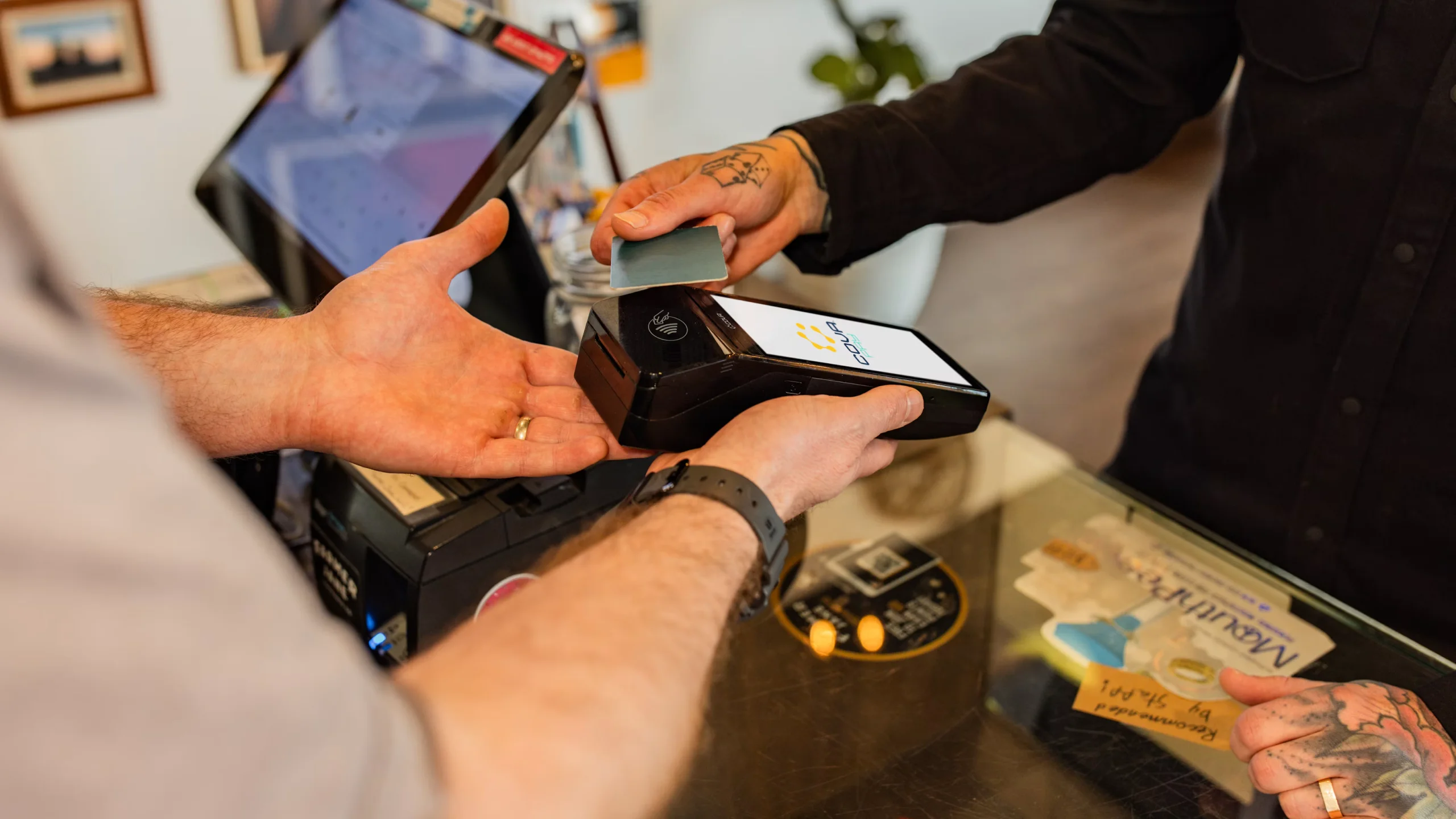
Online, catalog, cart, and order data move between your store, including Shopify or WooCommerce, and your order management system, so every channel sells from the same stock. For payments, we connect checkout, refunds, and reconciliation to the providers you already use, and design the flows so sensitive card data stays with the provider, not in your own systems.
Our Retail Software Development Process
Step 1
Discovery and scoping
Step 2
UI/UX design
Step 3
Agile development
Step 4
Integration and testing
Step 5
Launch and rollout
Step 6
Post-launch support
Technologies Behind Our Retail Builds
Frontend

React JS
Backend

NestJS

Node JS
Mobile
React Native
Databases

PostgreSQL
Your Stores, Your Software
Contact Us
Why Retail Teams Choose Intobi

One team from design to launch

Recognized on Clutch

Responsive and on time, according to clients

US company, Kyiv engineering team
What Drives Cost and Timeline for Retail Builds

Scope and feature set

Number of integrations

Data migration

Compliance needs like PCI

Web and mobile reach
What is custom retail software development?
What are examples of retail software?
Can custom software integrate with our existing ERP, POS, or WMS?
Should we build custom retail software or buy off-the-shelf?
How much does custom retail software cost?
How long does a retail software project take?
Can you build custom mobile apps for retail businesses?
How do you handle PCI compliance and data security for retail?
Scope Your US Retail Software Project
Contact Us